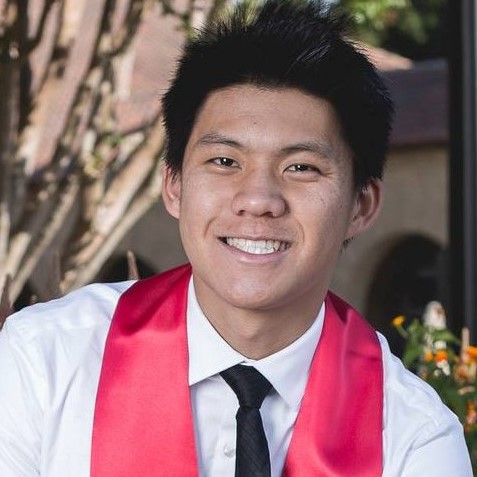
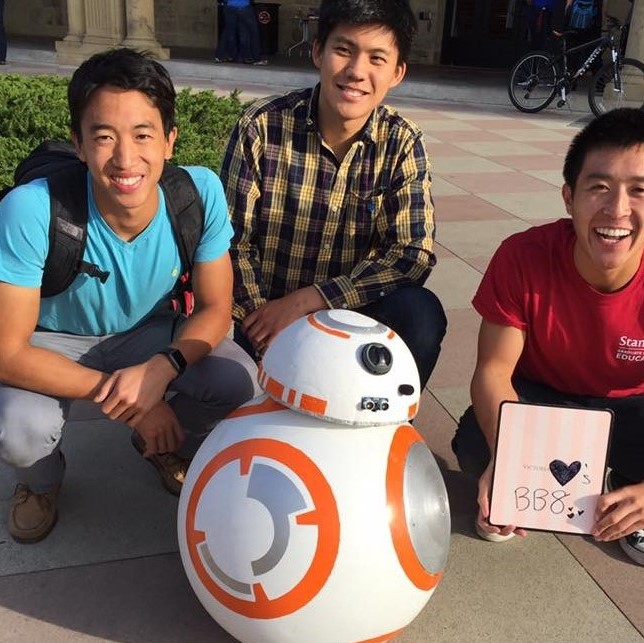
I am Timothy Lee, a former coterminal masters student at the Department of Biomedical Informatics at Stanford University. I graduated from Stanford also with a Bachelor's degree in Computer Science and Chemistry. During my Stanford career, I have worked in projects in varied realms, such as identifying population-specific medical recommendations from genome-wide association studies, building an AI agent to play Connect 4 and using network analysis to uncover relationships within venture capital investment networks. I also have forays in mechatronics and robotics, such as building a life-size replica of BB8 that can move, respond to voice, and make you want to hug it.
Currently, I am working as a biomedical imaging engineer at a medical device company, Heartflow. Heartflow provides a non-invasive test for coronary artery disease, the main progenitor of heart attacks. Through CT images, we can diagnose the severity of this disease, helping the cardiologist determine what is the best treatment plan for patients : medication, stent, balloon angioplasty, or for the most severe, coronary bypass. We achieve this by leveraging the latest advances in digital image processing and machine learning to extract an anatomical and physiological model of the heart. Then, we run computational fluid dynamics simulations to track blood flow throughout the coronary arteries. We calculate a metric widely used in cardiology known as FFR (fractional flow reserve), which represents the drop in blood pressure before and after a lesion or coronary blockage. Since it is derived by CT, our flagship product is known as FFRct. With this technology, patients can forego the costly and dangerous procedure of coronary angiography, which involves sticking an probe up the femoral artery in the leg, up the ascending aorta, and into the coronary vessels directly. This new technology can potentially save billions of dollars in the health-care industry, and is expanding quickly worldwide. As part of the medical imaging team, my job incorporates developing algorithms to increase the efficiency and accuracy of the CT image analysis.
Some of my other passions are rocking it on the guitar, learning different languages (English, Mandarin, Japanese, Cantonese, Spanish, along with minor expeditions in Korean and Indonesian), and attending competitive puzzle hunts. Lately, I've been getting into windsurfing! Feel free to browse my page and if you think I'm an okay guy, connect with me on LinkedIn or email.
My resume is attached here.
Projects

TreeSearch : Stanford Football Recruiting Platform
Tree Search intelligently processes high school transcripts to automate most of the transcript evaluation process, the first step in the recruiting process. Our system identifies courses, grades, and credits across transcripts, which vary significantly across high schools, and uses human interaction to confirm the output and continually improve the system. Tree Search allows teams like Stanford Football, which receives more than 5,000 transcripts per year, to focus on current athletes and viable recruits instead of tedious data processing tasks.

SQuID: Question Answering with Recurrent Span Representations
Deep learning is now a leading paradigm for many NLP tasks. We developed a neural network architecture that can answer questions based on a text passage it reads. The dataset we trained on is the semi-automatically collated Stanford Question Answer Dataset, or SQuAD. The model we propose is largely inspired from the top performing RaSoR model with optimizations added to skip the enumeration of O(n^2) possible span predictions, reducing it to an O(n) computation. The model estimates the length of an answer from a question. You can find more about it here

Examining the Structure of Venture Capital Investment Networks
Gossip in Silicon Valley is centered around speculation of which VC firms will invest in which companies. We modeled the history of VC investments from CrunchBase as a graph. Next, we built a model to evaluate future investment opportunities and collaborative opportunities between VC firms using features such as hotness of a market and network distance and centrality measures. We uncovered a number of interesting observations about the realm of VC investments from this modeled network. You can find more about it here!
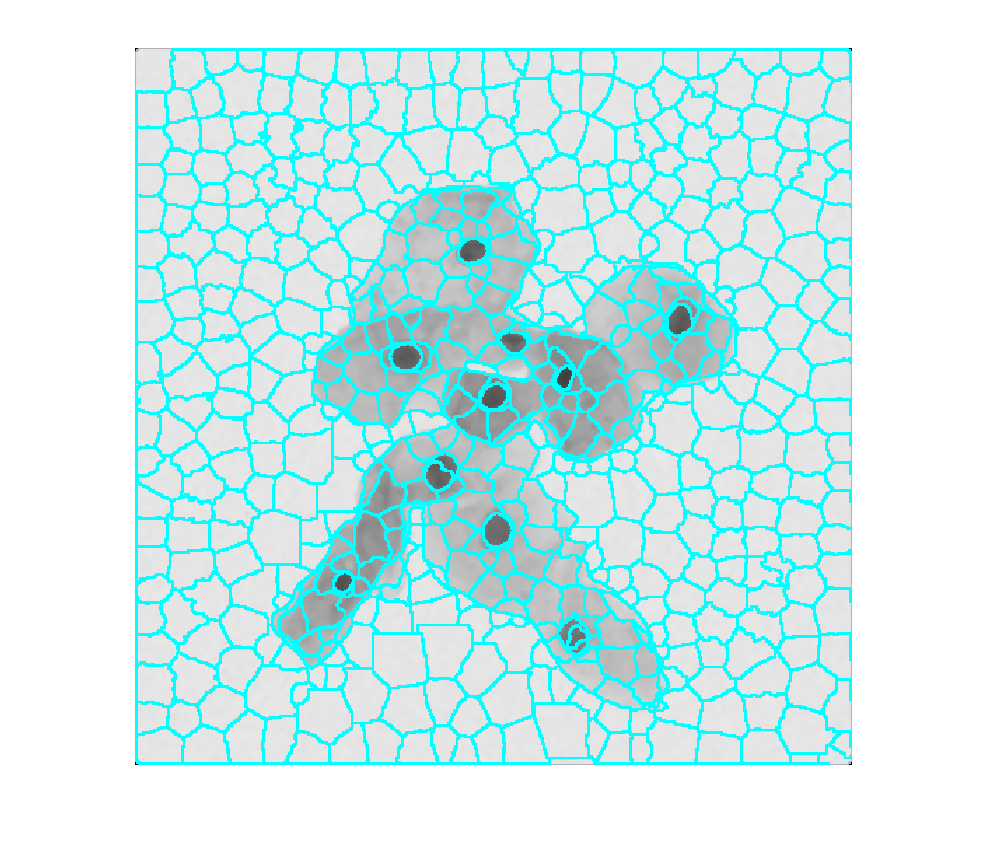
Fast-Automated Image Segmentation of Overlapping Cervical Cells
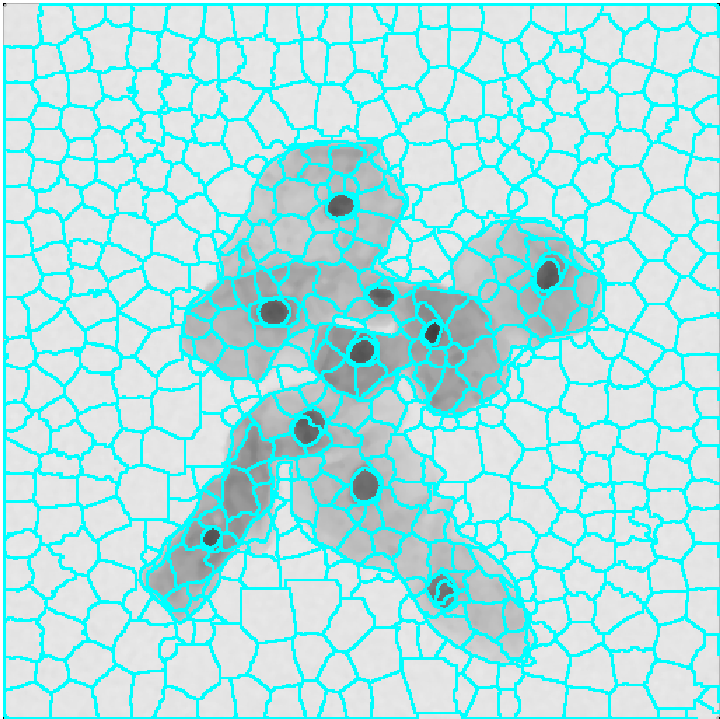
Microscopic images of cervical cells from Pap smears (a common test for cervical cancer) often face the problem of overlapping, making identification of pre-cancerous changes in the uterine cervix particularly difficulty. We developed an algorithm to segment the overlapping cells, determining locations of the cellular nuclei and overlapped cell boundaries. This algorithm can be used in a clinical setting to automate reading Pap smear tests. You can find more about it here!
BB8 Replica
Building cute robots is fun. We built a life-size replica BB-8 that responds autonomously to human voice, follows directions in an iPhone application, navigate obstacles, speaks in its native binary tongue, and likes to dance. You can see it live here!
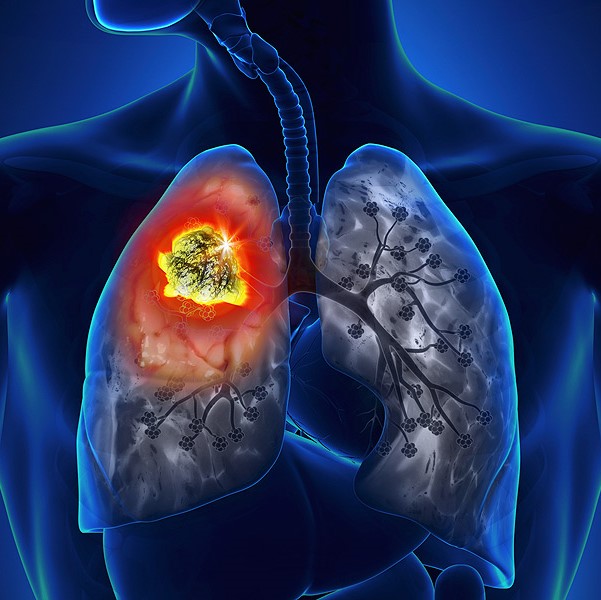
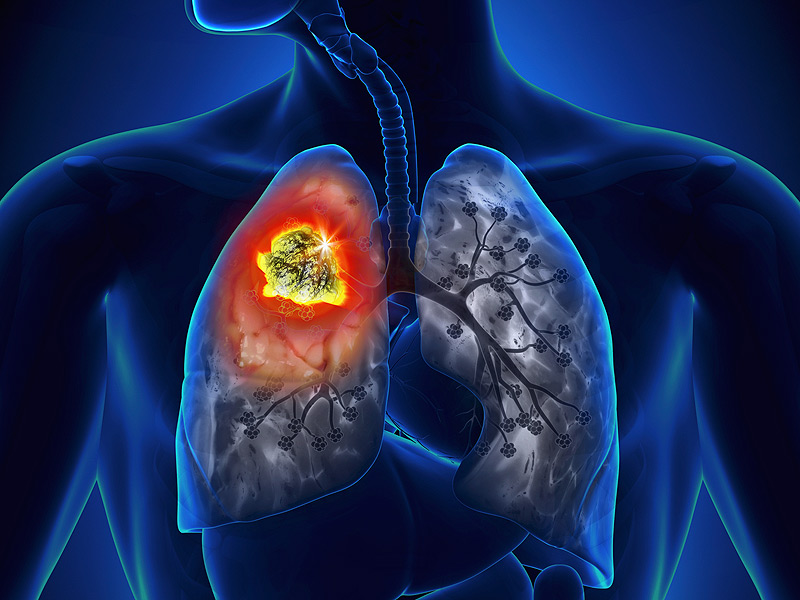
Metastatic Proliferation Genes Associated with Altered Lung Carcinoma Survival
Lung cancer is particularly deadly because most patients are diagnosed after metastasis and most current therapies are ineffective. We identified a set of genes that significantly impacted patient survival outcome based on Kaplan-Meier survival curve estimates and linkage with KRAS(a well-characterized oncogene) expression and other well-known markers of cell proliferation. Future characterization of these genes likely reveal interesting biological interactions that could potentially be the target for future cancer therapies. You can find out more about it here!

Population Specific Pharmacogenomics for Precision Medicine in Global Health
Genetic variations account for the variability of human responses to certain medicines, causing adverse side effects and/or ineffectiveness of a drug. This motivates today's goal of "personalized medicine" over the "one-drug-fits-all" regime. We studied population-specific genetic signatures that can redefine the set of essential drugs to be applied to a certain country or world region, combatting poor health outcomes that result from the "one-drug-fits-all" model. PharmGKB, the 1000 Genomes Project, and WHO provided the necessary data to identify pharmacogenomic SNPs that were enriched in certain racial subgroups and linked to these poor health outcomes. You can find out more about it here!
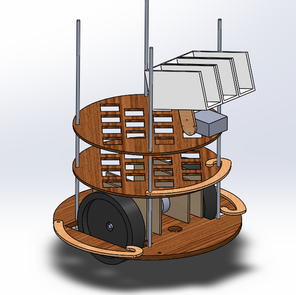
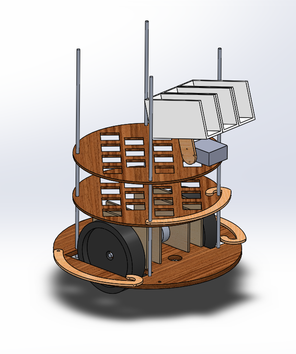
Stall Wars: The Torque Awakens
This was a robot designed for the ME210: Introduction to Mechatronics course to participate in a competition to autonomously navigate a game arena, dump "force tokens" into "force balance" buckets and successfully tip the balance of the "force" to our dark side. Based on novel programming that allowed us to define the movements of our robot during the game round itself, our robot made it to the semifinals of the competition! You can find more about it here!
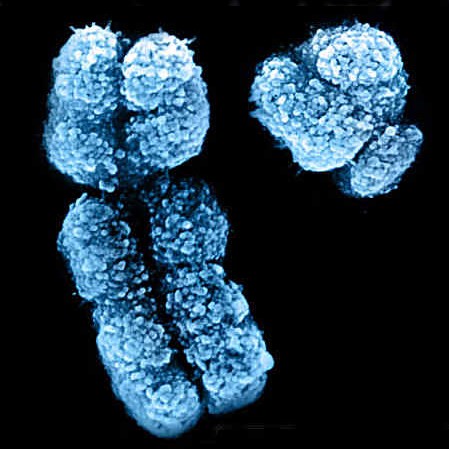
Regulatory Mechanisms of Gender Associated Differentially Expressed Genes
Cardiovascular disease related mortality stems from a complex web of causes and seem to manifest themselves in men and women differently. Between the two sexes, we identify significantly differentially expressed genes and SNPs in the regulatory regions of the disease, offering new targets for drug therapy and initiating preventative care based on gender-specific expression. You can find out more about it here!
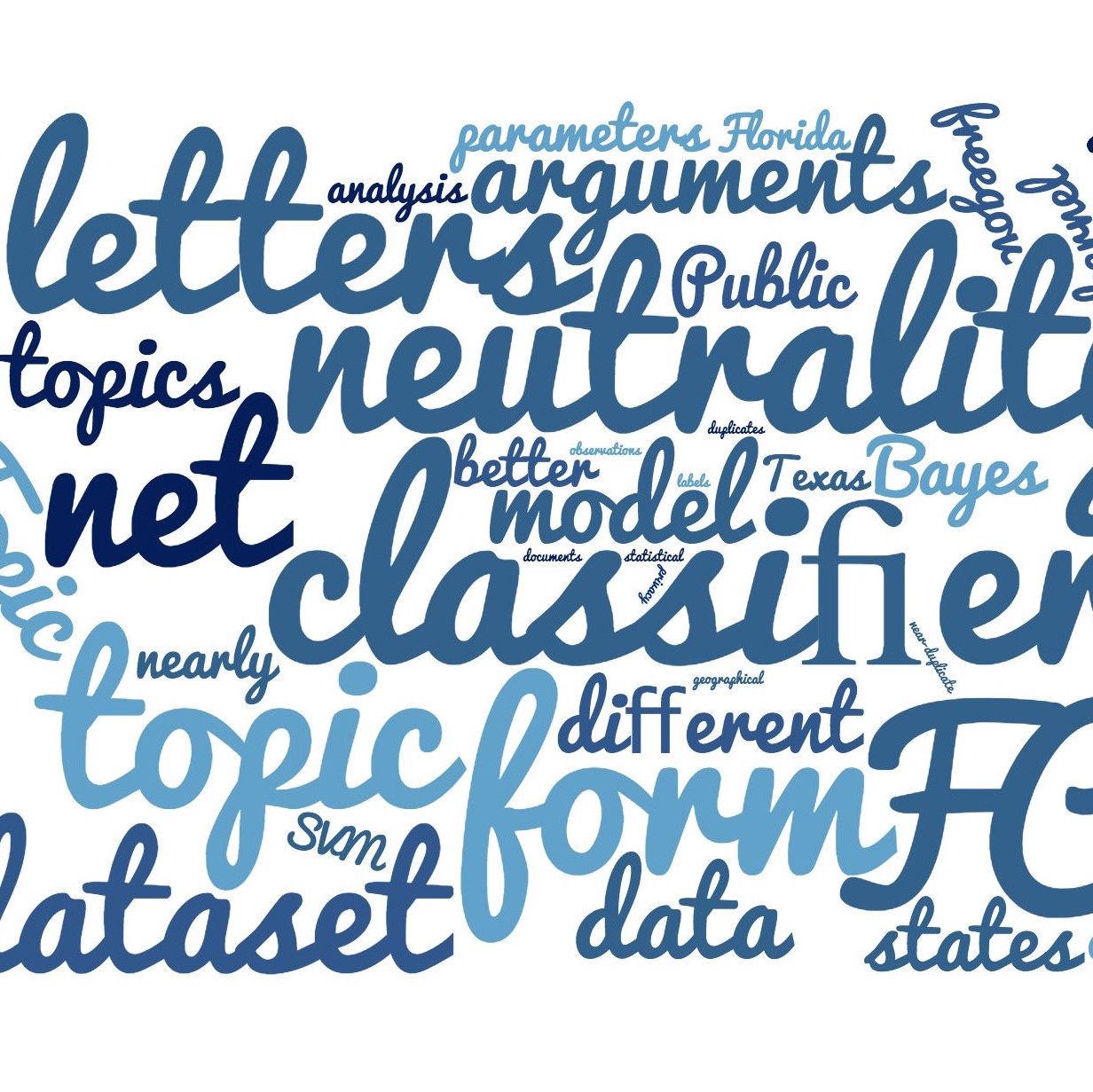
Automatic Topical Analysis of Internet Posts
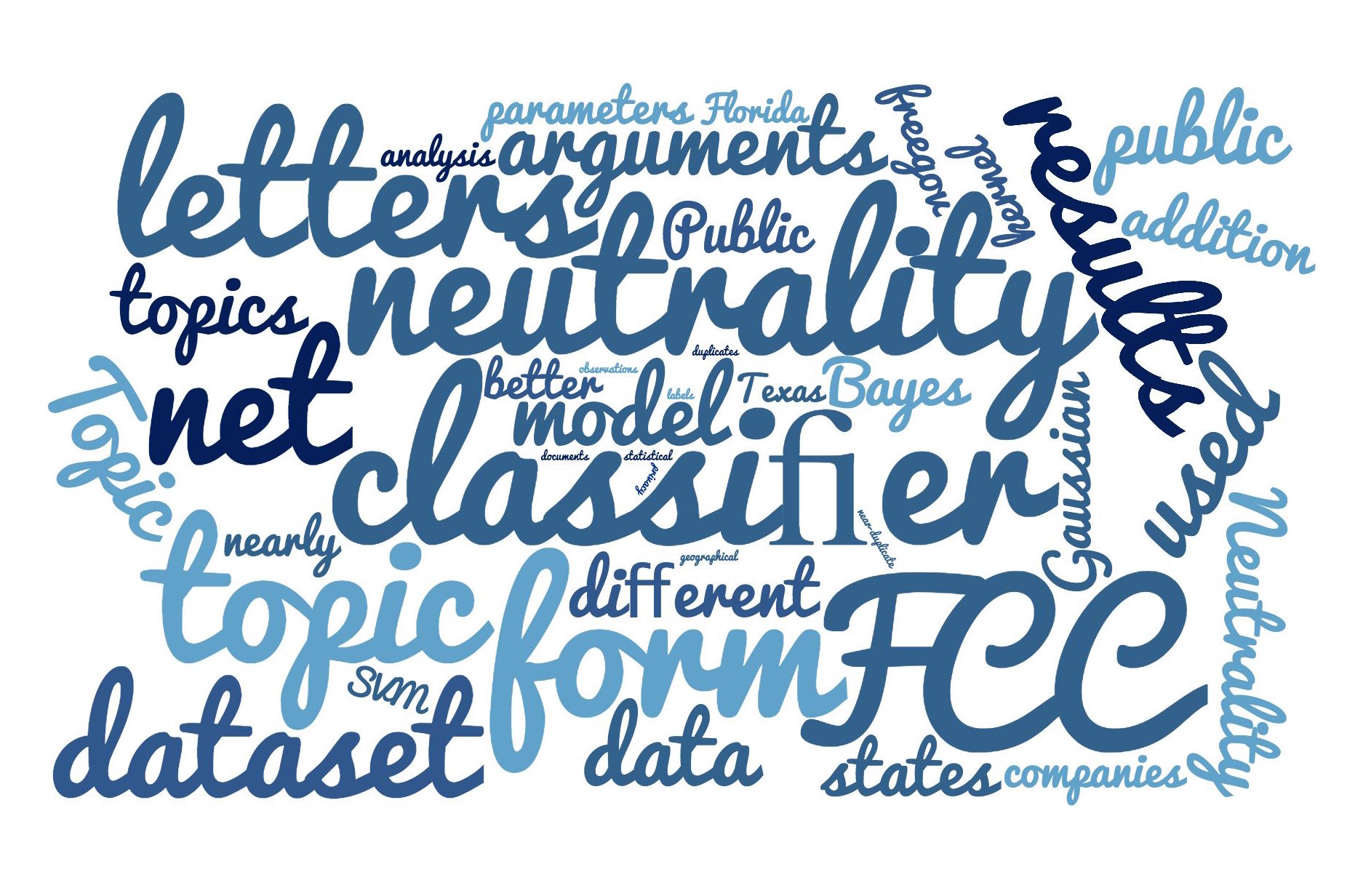
Charting public opinions in a data-driven way is a valuable part of devising public policy. In this project, we built machine learning models classifying ~1 million public comments regarding Net Neutrality to classify public sentiments and give insights on what people were thinking. You can find more about it here!

FourPlay: Connect 4 AI agent
We built an AI agent that plays a 3D 4x4x4 version of Connect 4! You can try playing it here . It uses a minimax tree search algorithm (with alpha beta pruning optimization) and TD learning to evaluate future game states based on games already played. It beat the best available agent online 90% of the time! You can find more about it here!
Other Stuff
Teaching is pretty cool. I've been teaching assistants for two classes at Stanford: CS221: Artificial Intelligence Principles and Techniques and CS245: Database System Principles. I also offer freelance tutoring among subjects (in order of decreasing experience) in chemistry, organic chemistry, introductory CS classes (up to 107), linear algebra, introductory statistics, MCAT preparation, etc. Really interested in opportunities to mutually learn from a student as well so message me about your own interests/skills as well!